.avif)
Understanding Bad Credit Scores and Their Impact on Home Buying
Buying a home is a major milestone, but if your credit score is below 620, you might face some serious challenges. Many lenders set 620 as the minimum credit score to qualify for a mortgage, and falling below that number can mean higher interest rates or larger down payments. If your credit score starts with a 3, 4, or 5, it’s time to understand what that means for your home buying journey and how you can improve your chances.

What Is Considered a Bad Credit Score?
A credit score below 620 is generally considered bad when it comes to qualifying for mortgages. This number is important because it signals to lenders how risky it is to lend you money. Scores between 580 and 619 may still get you a mortgage, but expect to pay more upfront or accept higher interest rates. Scores below 580 make it even harder, often requiring a larger down payment or special loan programs.
For example, if you’re a first time home buyer in Dallas, Texas, and your score is 590, some lenders might approve your mortgage but with a higher interest rate. That means your monthly payments will be more expensive over time.
How Does a Bad Credit Score Affect Mortgages?
Lenders use credit scores to decide:
Whether to approve your mortgage application
What interest rate to offer you
How much down payment you need to make
A lower credit score means lenders see you as a higher risk. To protect themselves, they charge higher interest rates or require larger down payments. This can add thousands of dollars to the total cost of your home.
For example, a borrower with a 620 credit score might get a 4.5% interest rate, while someone with a 580 score could be offered 6% or more. Over a 30-year mortgage, that difference can add up to tens of thousands of dollars.
Why Your Credit Score Matters When You Buy a Home
Your credit score affects more than just your mortgage approval. It influences your financial flexibility and the overall cost of homeownership. Here’s why it matters:
Monthly payments: Higher interest rates mean higher monthly mortgage payments.
Loan options: Some loan programs require a minimum credit score of 620 or higher.
Down payment: Lower scores often mean you must put down more money upfront.
Insurance rates: Some lenders also consider credit scores when setting mortgage insurance premiums.
If you’re a first time home buyer, understanding your credit score can help you plan better. Knowing where you stand allows you to explore credit repair options before applying for a mortgage.
How to Fix Credit and Improve Your Home Buying Chances
If your credit score is below 620, don’t lose hope. There are steps you can take to fix credit and improve your score over time:
Check your credit report: Look for errors or outdated information that could be dragging your score down.
Pay bills on time: Payment history is the biggest factor in your credit score.
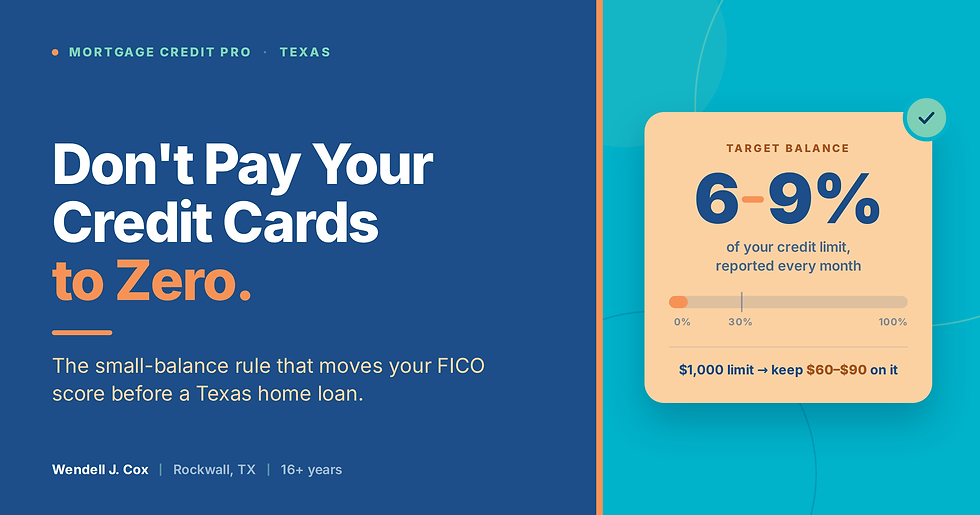
Reduce debt: Lower your credit card balances to improve your credit utilization ratio.
Avoid new credit inquiries: Each application can temporarily lower your score.
Use credit repair services: Professionals can help dispute errors and guide you through rebuilding your credit.
Taking these steps can raise your score enough to qualify for better mortgage terms. For example, improving your score from 590 to 630 could save you thousands in interest and reduce your down payment requirements.

Tips for First Time Home Buyers with Bad Credit
If you’re ready to buy a home but your credit score is low, consider these tips:
Save for a larger down payment: This can offset the risk lenders see in your credit score.
Shop around for lenders: Some lenders specialize in working with buyers who have lower credit scores.
Consider government-backed loans: FHA loans, for example, often accept scores as low as 580.
Work with a credit repair expert: They can help you fix credit faster and prepare your finances.
Be patient: Improving your credit score takes time but pays off in better mortgage deals.
What to Expect When Applying for Mortgages with a Bad Credit Score
When you apply for a mortgage with a score below 620, expect:
More documentation requests from lenders
Higher interest rates and fees
Possible need for mortgage insurance
Longer approval times
Being prepared and knowing your credit situation helps you avoid surprises. It also allows you to negotiate better terms or decide if waiting to improve your credit is the smarter choice.
Final Thoughts on Bad Credit Scores and Home Buying
A bad credit score can make buying a home more difficult, but it doesn’t make it impossible. Understanding how lenders view your credit and taking steps to fix credit can open doors to homeownership. If your score starts with a 3, 4, or 5, start by checking your credit report and exploring credit repair services. Improving your credit score will save you money and stress in the long run.
If you’re a first time home buyer in Dallas, Texas, and want to learn more about how to buy a home with a low credit score, reach out to a trusted mortgage advisor. They can guide you through your options and help you find the best path forward.

Comments